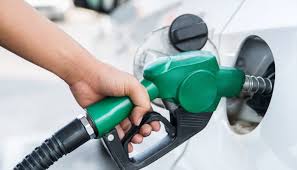
The recent drop in crude oil prices, along with the resumption of the naira-for-crude arrangement for local refiners, may push the pump price of Premium Motor Spirit (petrol) down to about ₦800 per litre in the coming weeks or months, according to oil marketers and industry analysts on Wednesday.
This development follows the Dangote Petroleum Refinery’s decision to reduce its ex-depot price for PMS to ₦835 per litre—its second price cut in less than a week.
Industry experts noted that the ₦800 per litre target could be achieved if crude oil prices fall further to $50 per barrel and marketers reduce their reliance on foreign exchange for product purchases. On Wednesday, Brent crude, the global benchmark, was trading at around $65 per barrel.
Also on Wednesday, Dangote Refinery further reduced its refined product prices, cutting the ex-depot rate for petrol to ₦835 per litre. This represents a ₦30 drop from the ₦865 per litre rate implemented six days ago—a 3.5% decrease—and a ₦45 reduction from the ₦880 per litre price just one week earlier.
This marks Dangote’s third price reduction in six weeks. A pro forma invoice seen by our correspondent, along with checks on petroleumprice.ng, confirmed the update.
In a statement signed by Anthony Chiejina, Group Chief Branding and Communications Officer, the refinery reaffirmed its commitment to providing high-quality petrol at affordable rates for consumers nationwide. The statement confirmed that the new price includes charges from the Nigerian Midstream and Downstream Petroleum Regulatory Authority (NMDPRA).
The updated pricing structure indicates that PMS at the gantry will now sell for ₦835 per litre, inclusive of statutory levies by the NMDPRA. Coastal sales remain on hold. Diesel is priced at $608 per tonne plus a $70 surcharge, payable either in naira at ₦1,650/$ or in USD.
Jet fuel will be sold at $664.75, with a $42 gantry surcharge and a $22 coastal surcharge. Prices for cooking gas at both gantry and coastal points are currently on hold.
The statement also disclosed that partner marketers—including MRS, AP (Ardova), Heyden, Optima Energy, Hyde, and Tecno Oil—will retail petrol between ₦890 and ₦920 per litre.
“Dangote Petroleum Refinery is pleased to announce a reduction in the gantry price of Premium Motor Spirit, commonly known as petrol, from ₦865 to ₦835, effective Wednesday, April 16, 2025. This marks the second price cut within a week,” the statement read.
“Key partners—including MRS, AP (Ardova), Heyden, Optima Energy, Hyde, and Tecno Oil—will retail petrol at ₦890 per litre in Lagos, down from ₦920. In the South-West, the price is now ₦900, down from ₦930. In the North-West and North-Central, petrol will be sold at ₦910, down from ₦940. In the South-East, South-South, and North-East, the price has dropped to ₦920, down from ₦950.”
Continuing, Chiejina stated that the latest PMS price reduction is expected to create a positive ripple effect across various economic sectors, easing financial pressure on consumers and supporting broader economic growth.
He added, “Dangote Petroleum Refinery has consistently worked to reduce petrol and other refined product prices to benefit Nigerian consumers. For instance, in February, the refinery slashed prices twice by a total of ₦125. Products such as diesel and Liquefied Petroleum Gas (LPG) have also seen significant reductions due to the refinery’s sustained efforts.
“We anticipate that this latest price cut will positively impact various sectors, offering relief to consumers and contributing to economic growth, especially during the Easter season.
“Dangote Petroleum Refinery remains committed to ensuring a steady supply of premium-quality petroleum products, with adequate reserves to meet domestic demand and a surplus for export. This strategy supports the stability of the domestic market while boosting Nigeria’s foreign exchange reserves.
“We also urge industry stakeholders, including marketers and distributors, to continue sourcing their products from the refinery to ensure the full benefits of these price reductions are felt nationwide.”
Earlier on Wednesday, PUNCH Online hinted at a potential price cut following a drop in the landing cost of imported petrol to ₦853 per litre on Tuesday.
This comes as marketers secured regulatory approval to import 117,000 metric tonnes (equivalent to 156.9 million litres) of petrol between April 8 and 16, 2025, to improve nationwide fuel supply.
Figures obtained from documents by the Nigerian Ports Authority and the Major Energies Marketers Association of Nigeria confirmed the imports. Dealers stated that the ₦853 per litre spot import parity into tanks—which includes shipping, import duties, and exchange rates—marks a ₦3 decrease from ₦856.75 on Monday and ₦852.02 on Tuesday.
One document revealed that on-the-spot sales at the NPSC-NOJ terminal fell to ₦853.12 per litre, while the 30-day average cost also declined to ₦844.84.
During this period, marketers brought in six vessels carrying 117,000 metric tonnes through Tin Can Port in Lagos and Calabar Port in Cross River State.
Significantly, the ongoing price drop coincides with the resumption and full implementation of the naira-for-crude agreement with local refiners, following a previous suspension.
The Ministry of Finance confirmed this in a statement last week on its official X (formerly Twitter) account, titled “Update on the Crude and Refined Product Sales in Naira Initiative.”
The statement followed a meeting between Finance Minister Wale Edun and representatives from Dangote Refinery—one of the main beneficiaries of the agreement—to evaluate progress and address implementation issues.
The committee emphasized that the policy is not a temporary fix but a long-term strategy aimed at reducing Nigeria’s reliance on foreign exchange for petroleum products. It is a key directive intended to promote sustainable local refining and enhance national energy security.
Despite the price adjustments, many oil marketers have yet to reflect the savings at the pump, with retail prices largely unchanged across the country.
Commenting on the matter, Chinedu Ukadike, National Publicity Secretary of the Independent Petroleum Marketers Association of Nigeria (IPMAN), said the price cut directly reflects the revamped naira-for-crude deal.
In a telephone interview, Ukadike explained, “Yes, the reduced price is a direct result of the naira-for-crude deal. Global crude prices also play a crucial role. If this trend continues, with international crude prices falling further, the impact will be felt domestically.
“If crude hits $50 per barrel, petrol prices could fall to between ₦650 and ₦700 per litre.”
However, he also acknowledged that the price cuts present a new challenge for marketers.
“It’s affecting marketers, but based on the naira-for-crude arrangement, the impact must be reflected in the pump price. The issue of exchange rate has been eased because the government is now supplying crude to Dangote. It wouldn’t be fair for him to maintain the old price,” Ukadike added.
“Due to the directive from the new Group Chief Executive Officer of the Nigerian National Petroleum Company (NNPC), the change in pricing must be visible to show that the government is fulfilling its promises.”
Oil and gas expert Olatide Jeremiah also weighed in, noting that petrol pump prices would likely be at ₦700 if the local arrangement had not been suspended.
He said, “The fall in crude oil prices and the resumption of the naira-for-crude policy present a double advantage for Nigerians, and petrol could soon sell at ₦700 per litre.
“Today’s drop from ₦865 to ₦830 has sparked a price war between Dangote and private depot owners. Importers are nervous, as this price cut forces them to compete, even though their landing cost is around ₦860 per litre—and many still have unsold stock.
“For both sides, it’s about market share and dominance, but for Nigerians, this signals ongoing reductions in fuel prices.
“If not for the suspension of the naira-for-crude policy, which allowed private depot owners to raise prices, petrol pump prices would already be around ₦700 per litre.”

Leave a Reply