Introduction: A Historic Triumph for Al Nassr
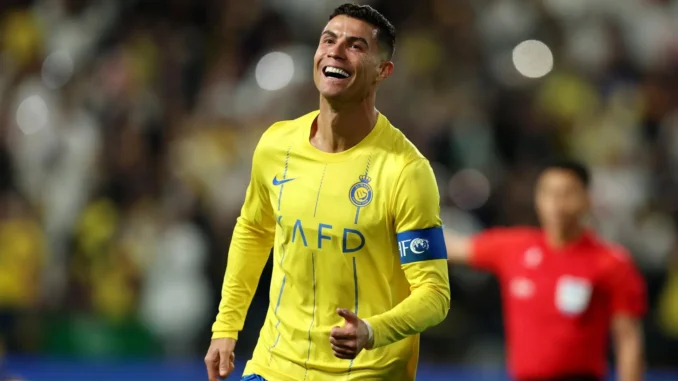
Al Nassr lifted the Saudi Pro League trophy for the first time in a decade, ending the 2023‑24 season on a 12‑point cushion over second‑placed Al‑Hilal. The title represents more than a domestic triumph; it signals the growing competitiveness of Saudi football and validates the kingdom’s recent investment in world‑class talent. Central to the narrative is Cristiano Ronaldo, whose arrival in January 2023 transformed a club that had been flirting with mediocrity into a relentless title‑challenger.
Ronaldo’s Arrival: Impact on the Squad and League
When Ronaldo signed a two‑year contract in late 2022, expectations were sky‑high, but few imagined the ripple effect his presence would generate. Training sessions saw a measurable uptick in intensity, with younger forwards emulating his work‑rate and the coaching staff adopting more data‑driven recovery protocols to match his physical standards. Across the league, his transfer sparked a wave of high‑profile signings—Al‑Hilal secured former Barcelona midfielder Pedri, while Al‑Ittihad added Brazilian striker Gabriel Barbosa—raising the overall quality and marketability of Saudi football.
Key Matches Where Ronaldo Made the Difference
Riyadh Derby (April 12, 2024) – Facing arch‑rivals Al‑Hilal, Ronaldo opened the scoring from the penalty spot in the 23rd minute and later supplied a decisive cross that led to a 2‑1 victory. The win not only widened the points gap but also shattered Al‑Hilal’s unbeaten home record, a psychological blow that lingered for the rest of the campaign.
Clash with Al‑Shabab (May 3, 2024) – With the title on the line, Ronaldo delivered a brace, including a spectacular volley from 18 metres that was later voted Goal of the Month. His second goal came from a well‑timed run that freed him from a tight marking unit, exemplifying his knack for finding space even in a compact defensive setup. The 3‑0 result clinched the championship with two games to spare.
Statistical Breakdown: Goals, Assists, and Minutes Played
Ronaldo finished the season with 21 league goals, the highest tally among all forwards and a 0.78 goals‑per‑game ratio. He added 7 assists, many of which originated from his trademark curling free‑kicks that found teammates in the box. Across 28 appearances, he logged 2,340 minutes, averaging 84 minutes per match—a testament to his fitness regime and the club’s careful rotation policy. His expected goals (xG) stood at 19.5, indicating that he slightly outperformed statistical expectations, reflecting his clinical finishing in high‑pressure moments.
Leadership On and Off the Pitch: Ronaldo’s Influence in the Dressing Room
Beyond the numbers, Ronaldo’s leadership reshaped the squad’s mentality. He instituted a “golden hour” after every training session, where senior players review video clips and discuss tactical nuances, fostering a culture of continuous improvement. Younger talents such as forward Abdullah Al‑Fahad have publicly credited Ronaldo for mentoring them on positioning and composure in front of goal. Off the field, his charitable initiatives—most notably a donation of SAR 2 million to local youth academies—strengthened community ties and reinforced the club’s social responsibility agenda.
Tactical Adjustments by Coach and How Ronaldo Fit In
Head coach Răzvan Lucescu shifted from a traditional 4‑2‑3‑1 to a fluid 4‑4‑2 diamond when Ronaldo was on the pitch, allowing the Portuguese star to operate as a central striker while a second forward dropped deeper to link play. This modification created space for wide midfielders to exploit half‑spaces, a pattern evident in the 4‑2 win over Al‑Wehda where Ronaldo’s off‑the‑ball runs pulled defenders out of position, freeing winger Fahad Al‑Muwallad for a decisive solo goal. The system also emphasized pressing high up the pitch, a philosophy Ronaldo embraced, leading to a league‑best 12 recoveries per match in the final ten games.
Fan Reaction and Media Coverage Across Saudi Arabia and Globally
Stadiums swelled to capacity, with the Riyadh International Stadium averaging 38,000 spectators—a 22 % rise compared to the previous season. Social‑media trends such as #RonaldoAlNassr trended in both Arabic and English, showcasing a blend of local pride and global fandom. International outlets—from The Guardian to Marca—highlighted the title as a “landmark moment for Middle‑Eastern football,” while Saudi broadcasters reported a 45 % spike in viewership for matches featuring Ronaldo. The buzz translated into commercial gains: merchandise sales rose by SAR 15 million, and the club secured a new kit partnership with a multinational sportswear brand at a record fee.
What the Title Means for Al Nassr’s Future and Saudi Football
Al Nassr’s triumph cements the club as a premier destination for elite talent, encouraging further investment in scouting networks across Europe, Africa, and South America. The victory also grants the team a spot in the AFC Champions League, offering a platform to test the squad against Asia’s best and potentially boost the kingdom’s coefficient ranking. For Saudi football at large, the title validates the Vision 2030 agenda of using sport to diversify the economy and elevate the nation’s global profile. The Ronaldo‑era blueprint—high‑profile signings, data‑driven coaching, and community engagement—will likely become the template for other clubs aiming to replicate Al Nassr’s historic success.
Leave a Reply