
Choosing the right online bank as a freelancer in Nigeria can either simplify your hustle—or make it a living nightmare. With inconsistent dollar-to-naira exchange rates, unpredictable payment delays, and account restrictions that hit when you least expect them, picking the best bank isn’t just a decision—it’s a survival strategy.
Let me use this time to answer some of the questions that I had to answer through trial and error, and I believe they would help you navigate the online business space:
Which online bank is best in Nigeria?
Which international online bank is the best?
What is the most powerful bank in Nigeria?
Which app is best for online payment in Nigeria?
I will try to break it down so you can pick the best bank for your freelance journey without getting caught in the financial quicksand. You’ll get practical examples, actionable tips, and real bank options other freelancers are already using to thrive.
Why Freelancers Need a Different Kind of Bank
Freelancers don’t operate like 9–5 workers, the brick-and-mortar style of work. Your money comes in irregularly, often from foreign clients, and usually through platforms like Upwork, Fiverr, Payoneer, or Wise. Traditional banks? They weren’t built for this kind of flow.
What your online hustle needs is:
- Fast international transfers
- Low to zero account fees
- Reliable currency exchange rates
- No ridiculous account limitations
- Smooth integration with fintech tools
If your current bank gives you headaches each time a client sends you $300, it’s time to switch.
Case Study: Chika, a freelance designer in Lagos, switched from a traditional bank to Kuda after getting charged ₦1,200 in “processing fees” for every $100 Payoneer transfer. Since switching, her funds now arrive within 24 hours—and with no extra charges.
1. Look at Currency Exchange Rates
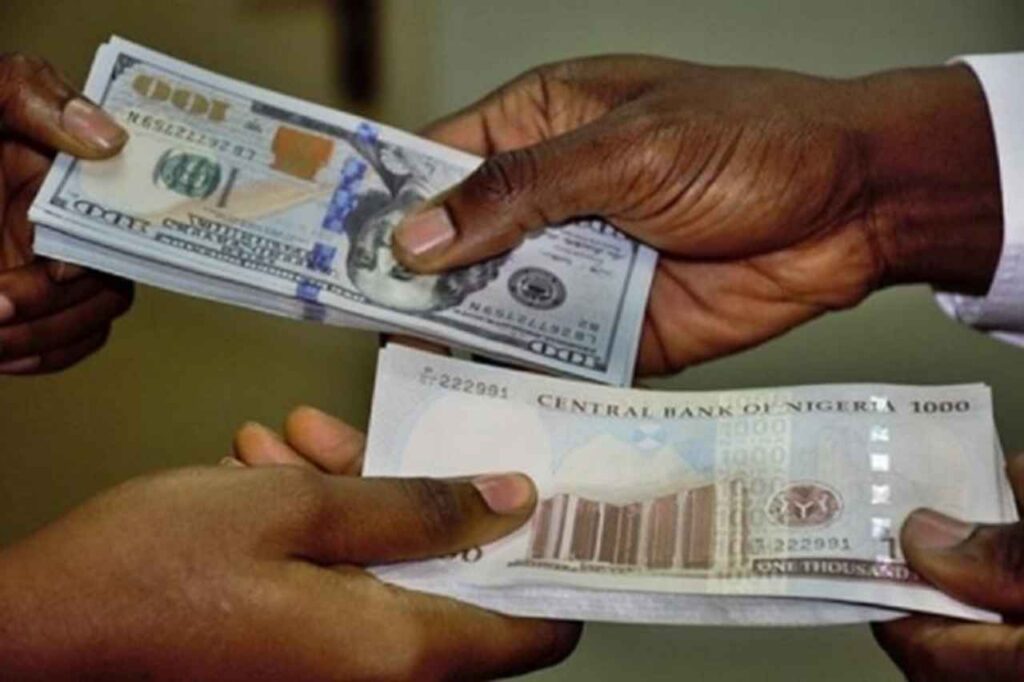
Not all banks are created equal when it comes to converting dollars to naira. Some digital banks offer more competitive rates than traditional banks or even PayPal.
Pro tip: Always check the live exchange rate before accepting a transaction. You can use AbokiFX, Abokiforex, Aboki dollar to Naira today black market rate, or tools like Payoneer and Wise; they allow you to compare rates. Combine those with freelancer-friendly banks like Kuda, Moniepoint, or VBank for the best naira-to-dollar exchange freelance experience.
Actionable Tip: If you receive regular USD payments, open a domiciliary account and link it to a platform like Geegpay. Convert only when rates are favorable.
2. Speed of International Payments
Time is money—literally. Waiting 5–7 business days for a transfer from Fiverr to hit your local bank account can delay rent, bills, or even business decisions.
Choose banks that:
- Support Payoneer direct transfers (ideal for online bank Nigeria for Payoneer)
- Integrate with fintech wallets (like Wise, Geegpay, or Chipper Cash)
- Offer virtual dollar cards for faster and global online purchases
Example: Opay and Carbon both offer virtual USD cards. Freelancers use these for ad payments, domain purchases, and other global transactions that require dollar cards.
Bonus Tip: Link your Payoneer account directly with your freelancer platform for faster disbursements and then push to your digital bank.
3. Avoid Hidden Fees and Limits
Many freelancers only find out about account restrictions when their funds are frozen or limited. That’s a nightmare.
Avoid banks with:
- Monthly maintenance fees
- Transfer limits that can’t be lifted
- Vague terms around foreign currency accounts
Instead, look for:
- Transparent pricing (Kuda, ALAT, Moniepoint)
- Tiered accounts you can upgrade as your income grows
- 24/7 support in case of disputes
Quick Hack: Use fintech platforms like Risevest or Bamboo to hold foreign currency earnings in dollars while you wait for better exchange rates.
4. Prioritize Mobile Experience
You’re always on the move. Your bank should be too. Mobile apps are now your primary banking tools.
Check for:
- Easy navigation
- Instant transaction notifications
- Budgeting and saving tools
- In-app customer service support
App Spotlight:
- Sparkle: Great for visual budgeting and saving targets
- Moniepoint: Responsive, business-friendly interface
- Opay: One-tap payments, bill payments, and merchant support
Power Tip: Choose banks that allow card freezing/unfreezing in-app. It’s a lifesaver if your card gets compromised.
5. Security & Reputation
It’s not just about speed and convenience—your money needs to be safe.
Stick with banks that are:
- CBN-licensed
- Offer two-factor authentication
- Use biometric logins or OTP verification
- Transparent about their data security policies
Don’t rely on hype. Just because everyone on Twitter (now X) is hyping a bank doesn’t mean it’s right for you. Always Google their complaints, read Reddit threads, and ask in freelancer groups.
Example: While Access Bank and Zenith Bank are the most powerful banks in Nigeria in terms of capital and reach, they may not meet the speed, flexibility, and global payment features freelancers demand.
FAQ: Common Questions Freelancers Ask
Which online bank is best in Nigeria?
Most freelancers prefer Kuda for daily use, VBank for virtual cards, and Geegpay for foreign currency flexibility.
Which online bank is the best?
If you’re looking for all-round features including budgeting tools and savings, Sparkle and ALAT give you a full experience.
What is the most powerful bank in Nigeria?
Access Bank and Zenith Bank lead in infrastructure and business banking but may not be the best choice for gig workers or digital nomads.
Which app is best for online payment in Nigeria?
Opay tops the list for personal payments, merchant transfers, and utility bills. Flutterwave and Paystack are best if you’re setting up an online business or store.
Choose Smart, Not Trendy
As a freelancer in Nigeria, your bank should empower your hustle, not restrict it. Make decisions based on functionality, not hype. Remember: what works for a crypto trader might not work for a freelance writer.
Action Plan:
- List your top 3 payment needs (You want do USD transfers? Or a virtual cards? Or do budgeting?)
- Compare at least 3 digital banks based on those needs
- Run test transfers with small amounts before going all-in
- Join freelancer communities (Telegram, WhatsApp, Reddit) to stay updated
So go ahead—explore, test, and don’t settle until your money moves as fast as your hustle. Your freelance income deserves a smart, secure, and efficient financial partner.
Leave a Reply